Giant Tags: Dating 90s Vintage Concert T-Shirts
How to date 90s concert tees by the Giant merchandising tag — blank vendors, offshore shifts, website tags, skull-era stop-signs — then shop authenticated Giant-tag shirts from our 577-piece catalog (403 available).
What Giant was
Giant was a late-1980s / 1990s official concert merchandise company, not a blank mill. Where many tour shirts only carried a Screen Stars or Hanes collar label, Giant often named the blank vendor on the tag itself — Anvil, Tee Jays, or Tultex — so the collar tells both the license story and the cotton story in one read.
Think of Giant as the mid-90s successor to the stadium-merch lane Brockum owned in the 1980s, and as a different lane from Winterland (classic rock / Grateful Dead). Brockum dominated 80s metal tours; Winterland owned Dead and classic-rock licensing; Giant became the default collar on mid-90s grunge, alternative, and a growing share of metal and hip-hop tour stock. A Giant tag on a claimed 1984 shirt is anachronistic. A Giant tag on a 1994 Nirvana or Pearl Jam shirt is period-correct and highly collectible.
Use this leaf with the tags-by-decade guide and the authentication reference — tag alone is necessary, not sufficient. Pair it with stitch, print technique, and artwork era.
1991–1995 — three tags at once
Early Giant years are messy on purpose. Collectors meet at least three collar generations in the same window: a plain / OG Giant mark, Giant-on-Anvil, Giant-on-Tee Jays, and Giant-on-Tultex (including heavier Tultex variants). There is no single “correct” Giant look for 1991–1995 — the teaching point is to read the blank name plus the license line, not to force every shirt into one photo match.
Contract text on the print or tag can disagree with the blank brand. The classic classroom example is Heart-Shaped Box–era Nirvana: some shirts read “Under License to Brockum” on a Giant / Tee Jays or Giant / Tultex blank. The contract line is not the blank brand. Do not reject a period-correct Giant blank solely because a Brockum license string appears in the copyright stack — and do not treat a Brockum license line as proof the collar must say Brockum.
Rare 50/50 poly-cotton Giant blanks also appear in this window. They are legitimate when the rest of the shirt (print, stitch, aging) agrees; they are not automatic fakes.
[COLLAR_PHOTO — slot A: plain / OG Giant, ~1991–1993]
[COLLAR_PHOTO — slot B: Giant / Anvil or Giant / Tee Jays]
[COLLAR_PHOTO — slot C: Giant / Tultex]
1996–2003 — offshore + website-on-tag
From the mid-90s, Giant production shifts offshore. El Salvador and Mexico non-woven
labels become common; later tags print or weave giantmerchandising.com into
the collar. Those website-on-tag shirts are still authentic Giant merch — they are simply
later than the early USA-window pieces collectors chase for Nevermind / Ten–era money.
Copyright years on Giant tags are easy to misread. A Metallica © year on a Giant collar is often the contract year, not the print year. The same tell already sits on our Metallica hub: do not date a shirt solely from the © digit on the tag. Cross-check print aging, stitch (single vs double), blank country, and tour artwork against the claimed era.
By this window Giant is the workhorse for mid/late-90s alternative and a large slice of metal tour merch, while Brockum is fading and Winterland is largely outside the grunge/alt lane. See also the 1990s concert tee aisle.
2004–2013 — skull tag / exit
Late Giant generations include the “skull” tag family and other end-of-run marks that collectors use as a stop-sign. A skull-era Giant collar is not a 1992 Nevermind original, no matter how distressed the graphic looks. Treat late tags as themselves — authentic for mid/late-00s merch, wrong for early-90s money pages. Keep the leaf short here: the value of this section is the dating boundary, not a full 00s company history.
Giant vs Brockum vs Winterland
Rough defaults (not laws): Lollapalooza-era ~1991 still leans Brockum; from the early/mid-90s Giant dominates grunge and alternative tour stock; 1980s metal defaults to Brockum; Grateful Dead and classic-rock official merch defaults to Winterland. Overlap years exist — especially Metallica Black Album through Load, where Brockum and Giant both appear — so always read the actual collar.
We are shipping Giant first because the catalog already has a confirmed
tag_brand=Giant PDP plus several title-confirmed Giant rows. A Winterland
timeline is coming when photo-reviewed stock supports it — plain text for now, no leaf URL.
Full method and era tables live on
authentication.html and the
decade tag guide.
Fake Giant tells
- Satin heat-press “ribbon” tags that look glossy and machine-smooth instead of a period woven / non-woven Giant label.
- No fray “teeth” on a claimed early-90s woven edge — real early tags often show wear at the cut edge; perfectly sealed modern edges on a “1992” shirt deserve skepticism.
- Tag sewn over the collar binding rather than under / into the neck finish — a common bootleg shortcut.
- Gildan (or other post-1998 blank) with a Giant-looking ribbon — blank brand and merch mark must agree with the claimed year.
- DTG / flat digital print on a shirt sold as 1992 tour stock — plastisol screen aging should match the 90s, not a modern soft hand.
When in doubt, walk the full checklist on how we authenticate and how to authenticate vintage concert t-shirts. Tag is one pillar; stitch and print are the others.
Shop shirts with a Giant tag
This is the wedge a magazine timeline cannot copy: authenticated PDPs that already carry a Giant story. ID 2 (Tool — Undertow Era) is the live API tag_brand=Giant row. The rest are title-confirmed Giant cards from the same catalog — labeled honestly until the API field backfill lands. Sold archive rows stay listed so collectors can study the collar language.
Also browse band hubs that stock Giant-era pieces: Tool · Metallica · Megadeth · Korn · Poison — plus education hubs for Nirvana and Pearl Jam even when a Giant SKU is not in the grid below.
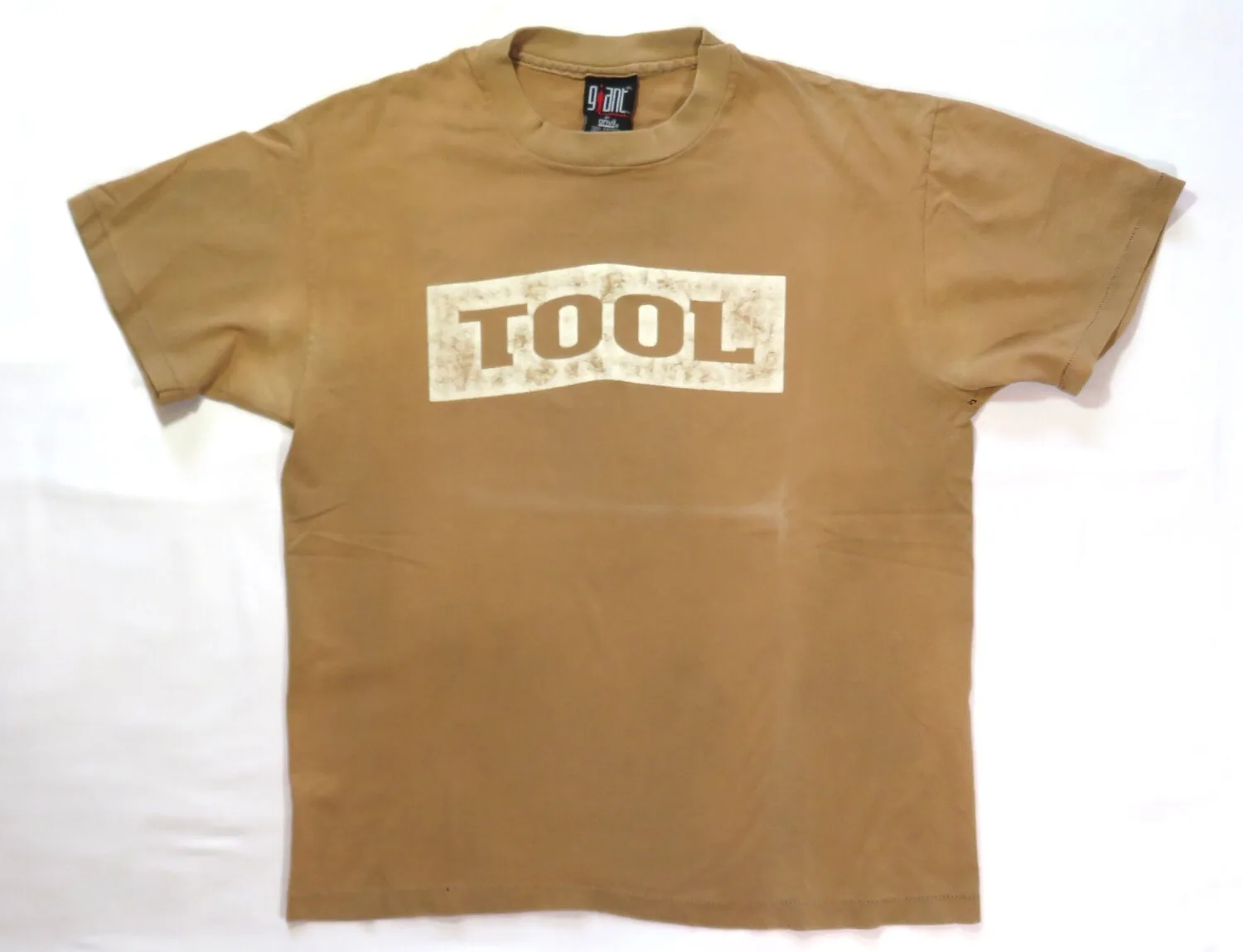
Tool — Undertow Era (Giant)
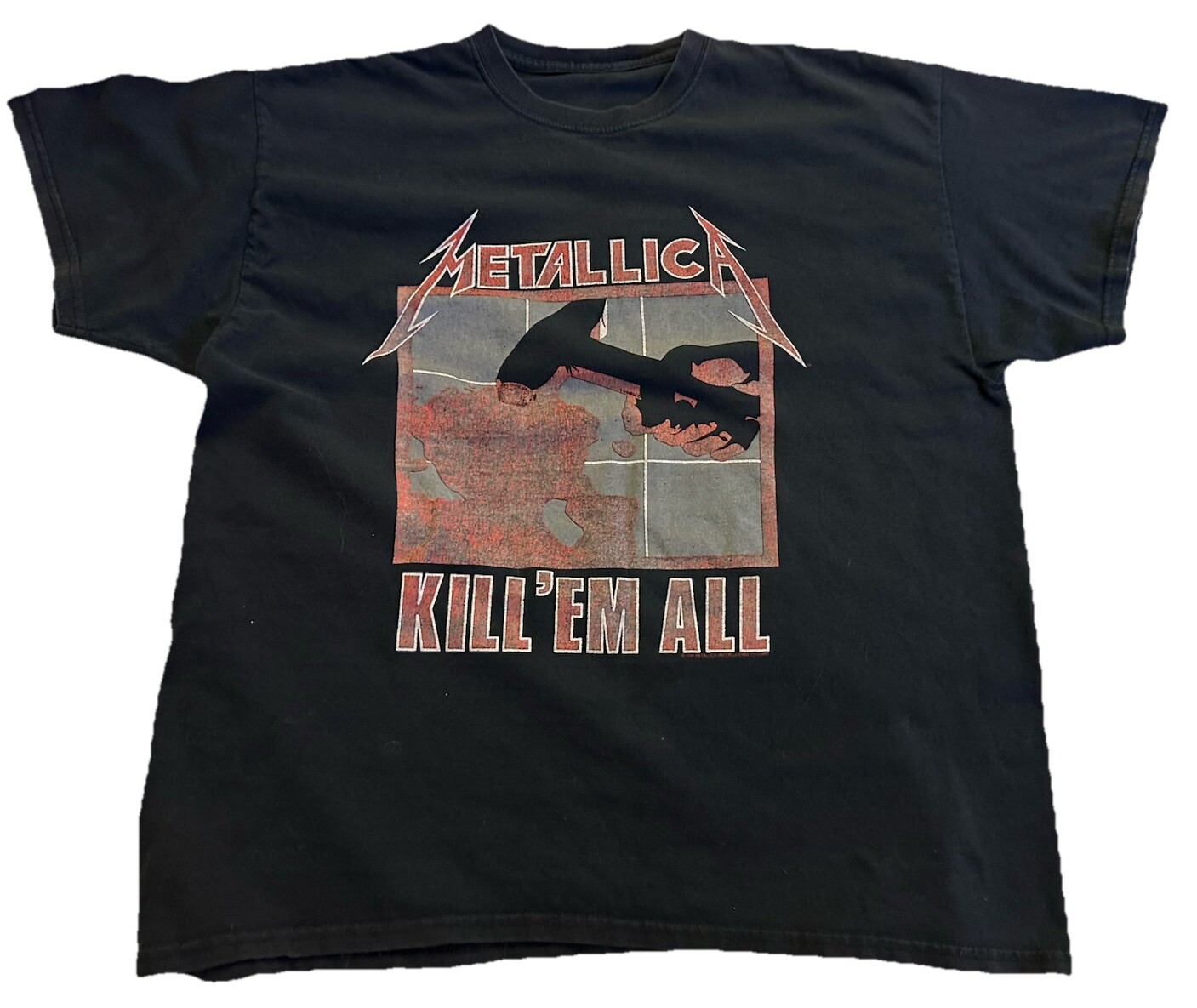
Metallica — Kill 'Em All (Giant)

Fu Manchu — Giant Tag rock

Poison — Native Tongue Live (Giant)
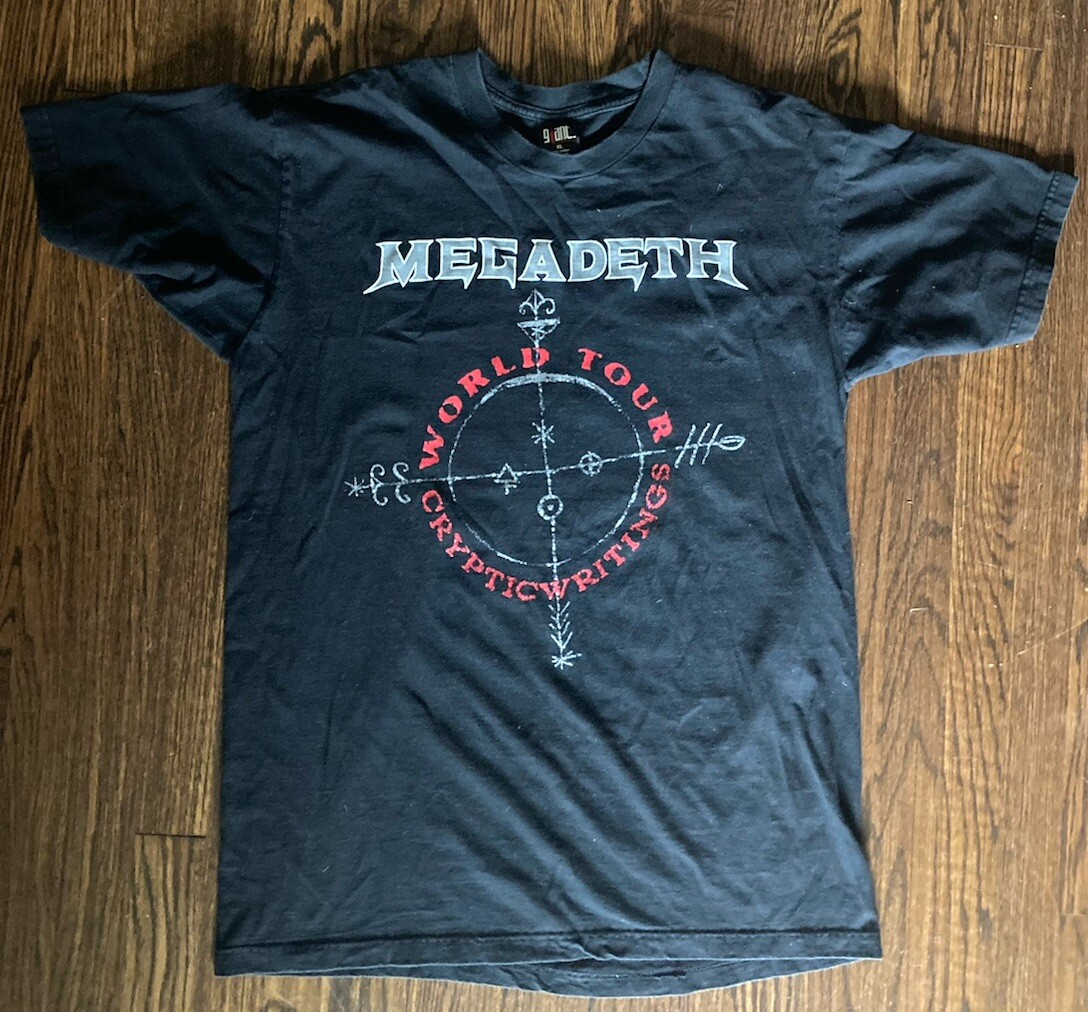
Megadeth — Cryptic Writings (Giant)
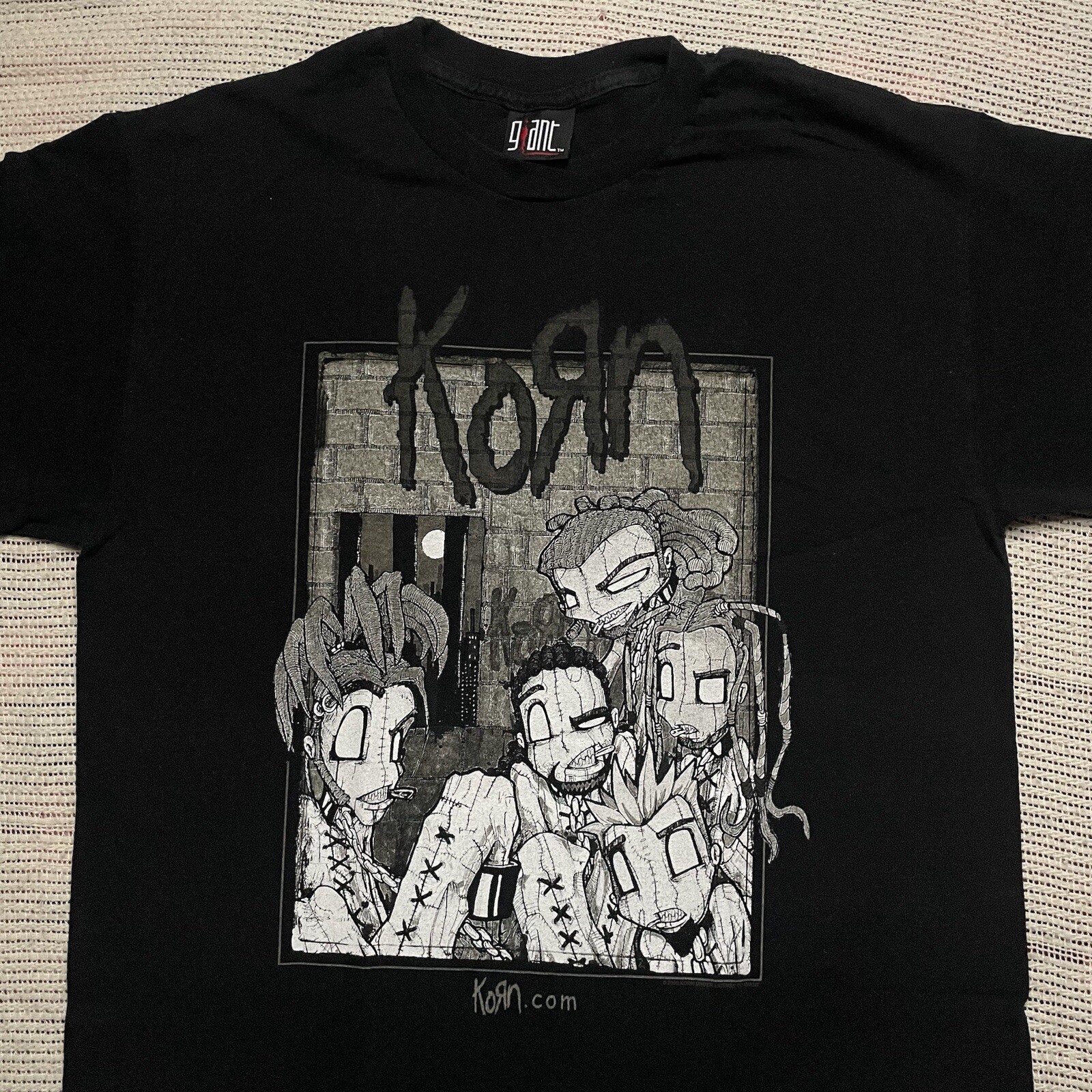
Korn — Sick and Twisted / Issues (Giant)

Queensrÿche — World (Giant Tag) Sold

Tesla — Psychotic Supper (Giant Tag) Sold

Metallica — 4 Faces (Giant) Sold
More context: Tool collector guide · Metallica guide · Nirvana guide · all tag timelines.